Journal of the AI Universe ✦ Daily AI News Updates
PPT slides on AI · AI for Beginners
(1) Level 1, Group 1 - Artificial Intelligence Understanding the AI landscape · 45 slides
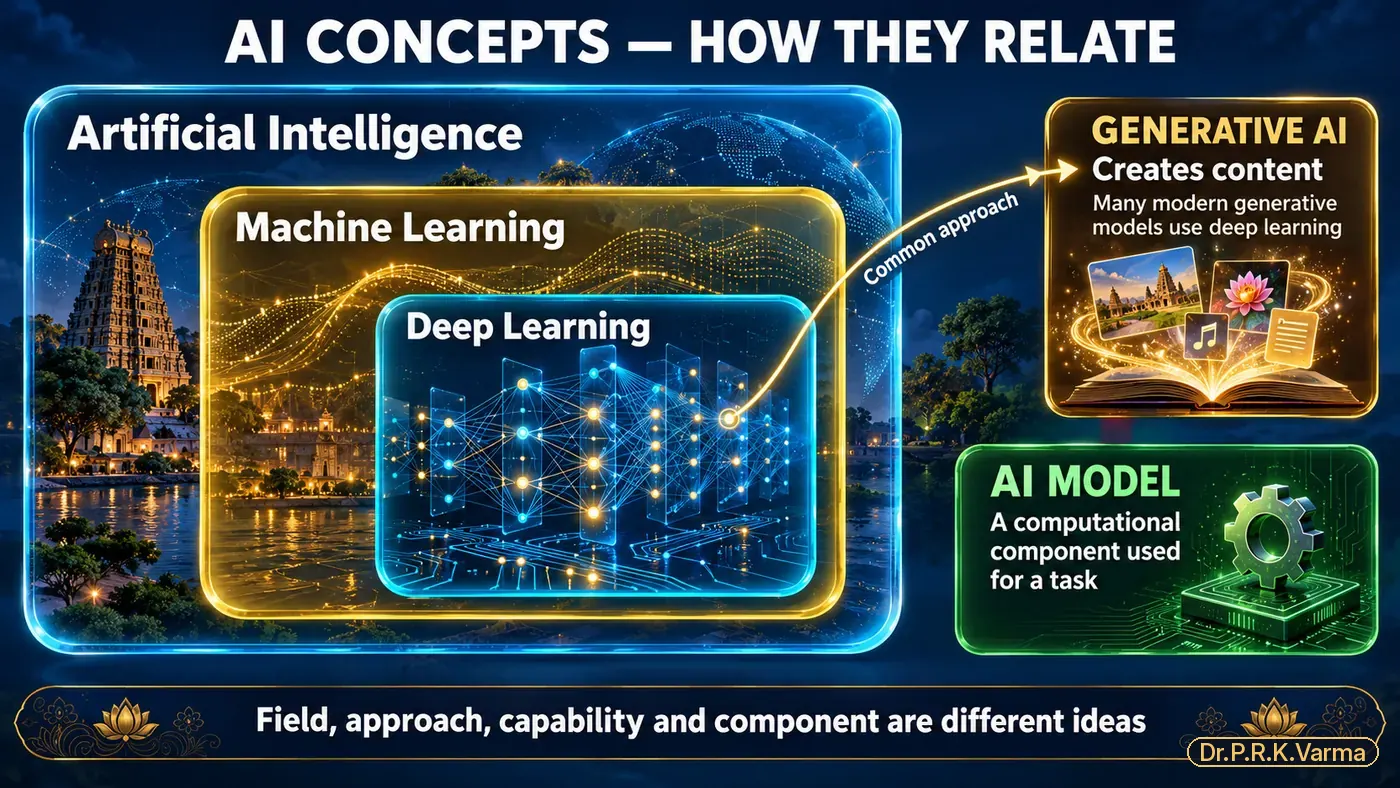
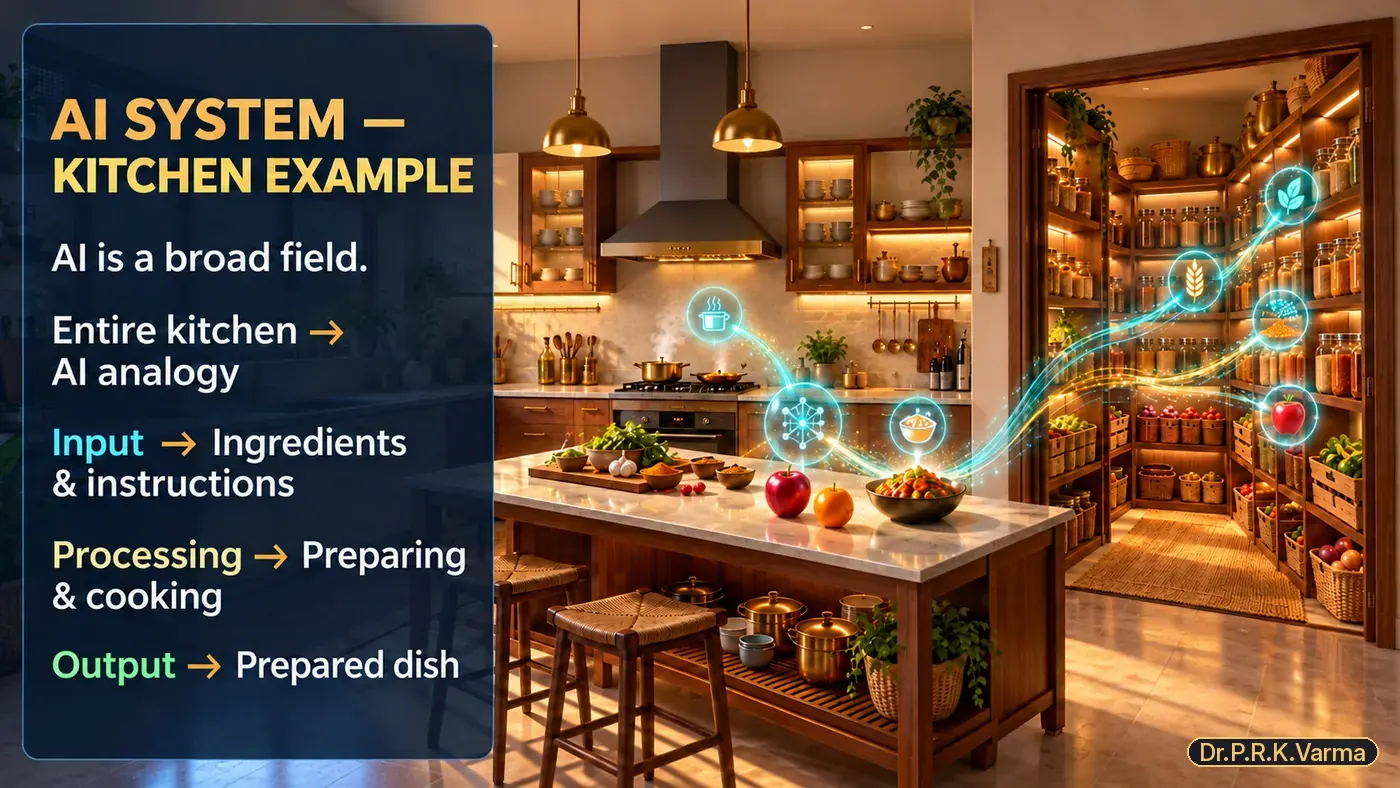
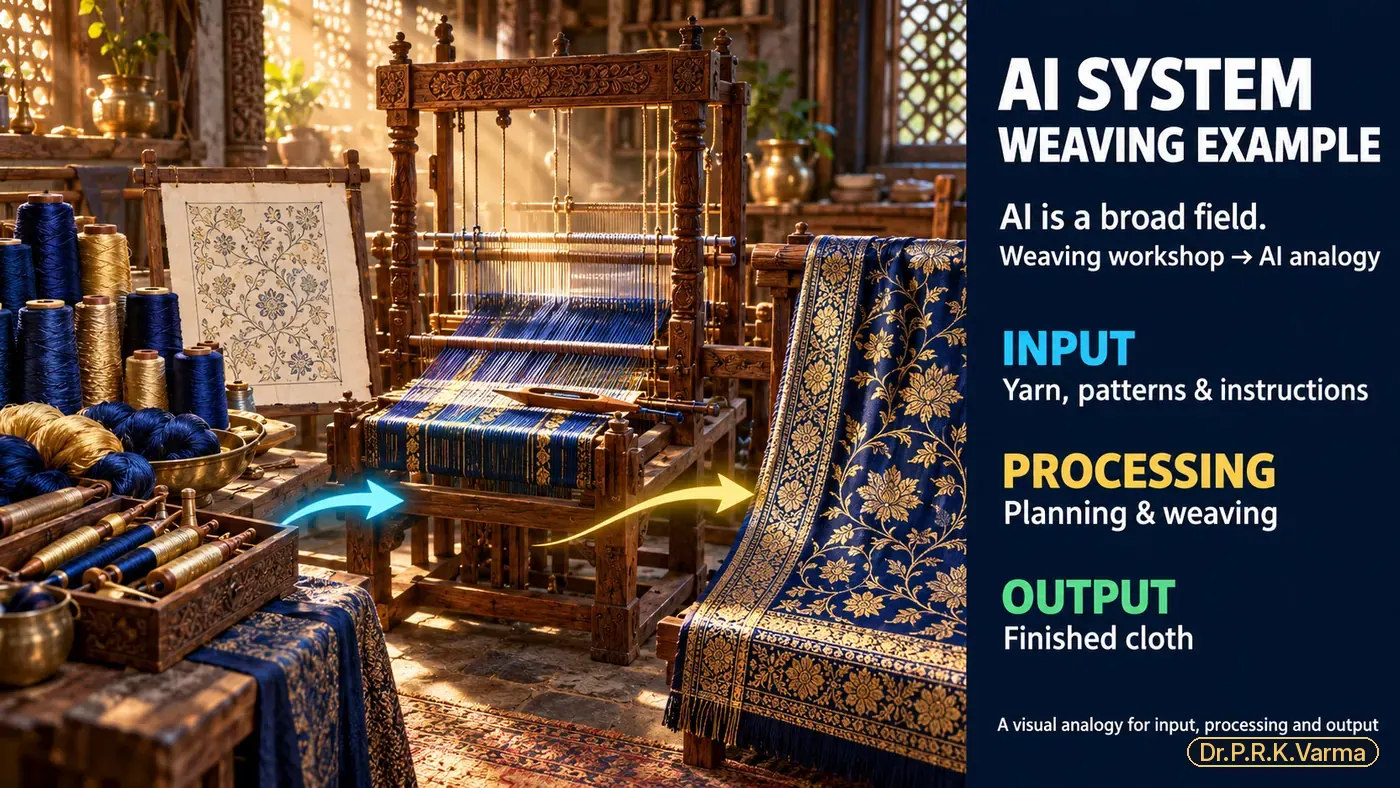
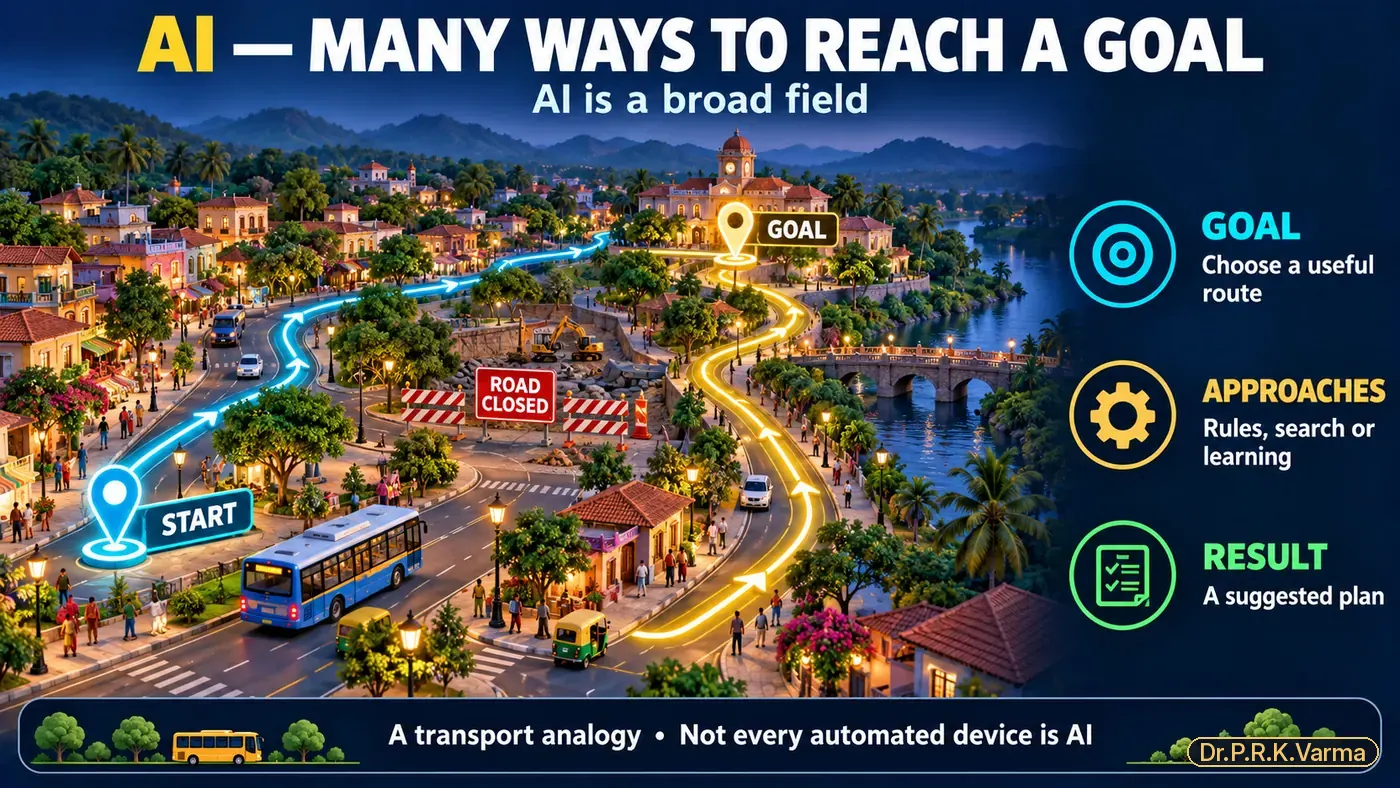
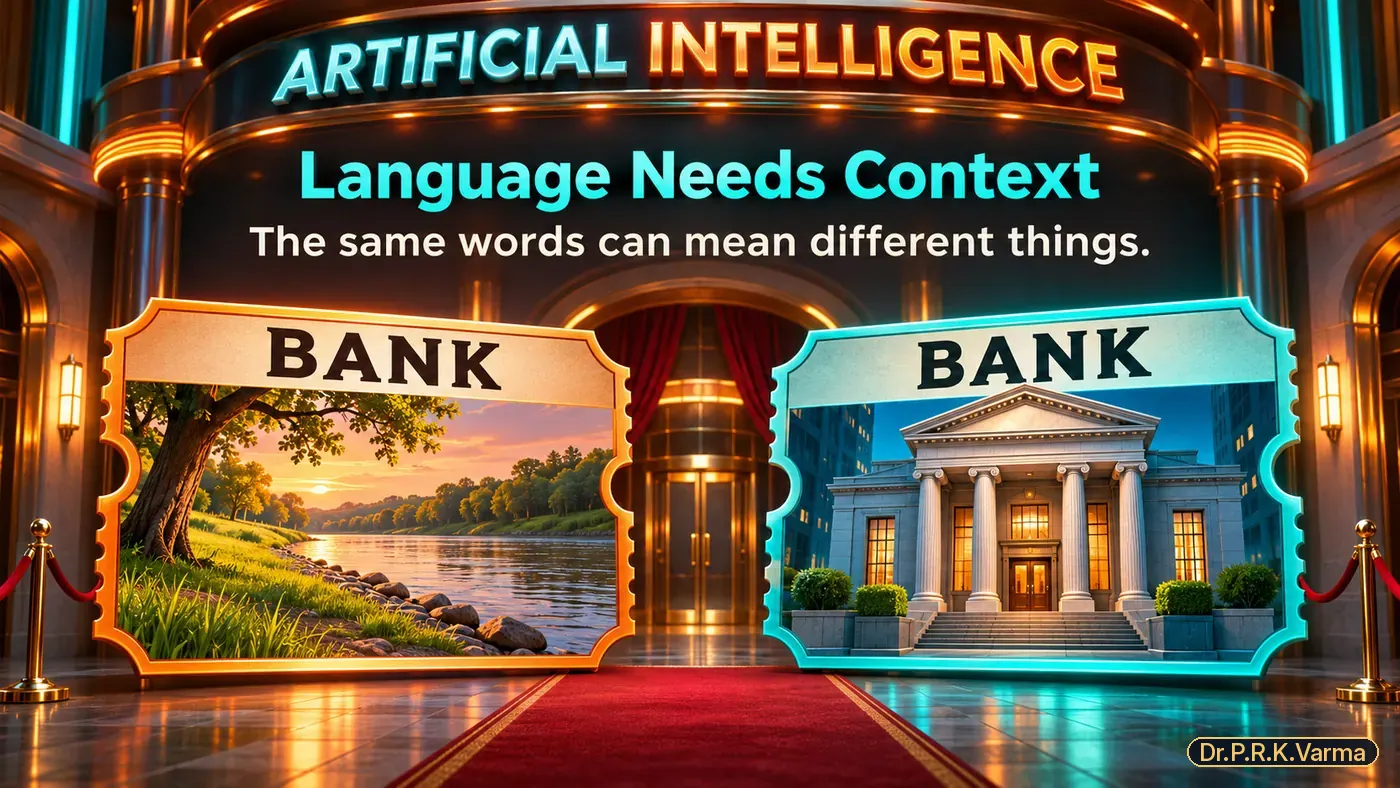
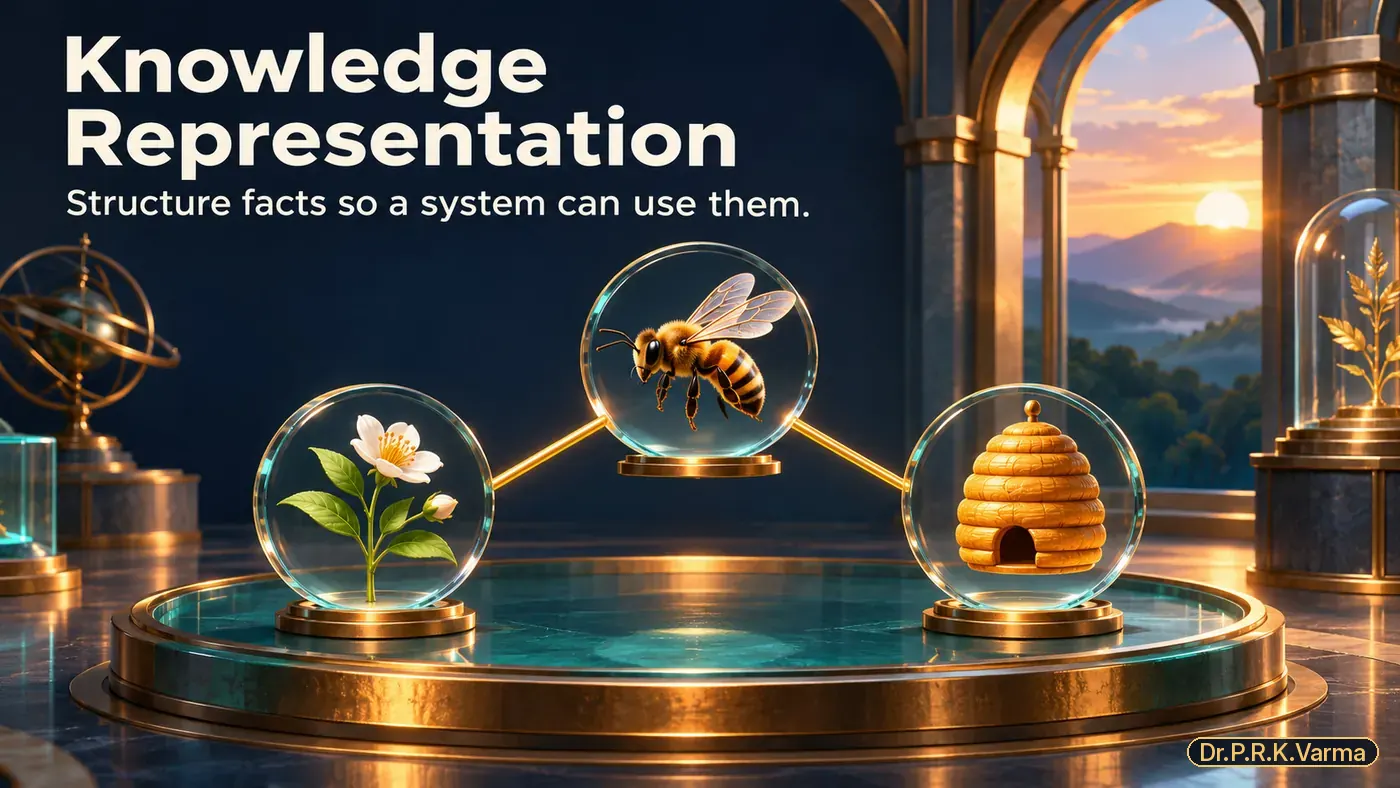
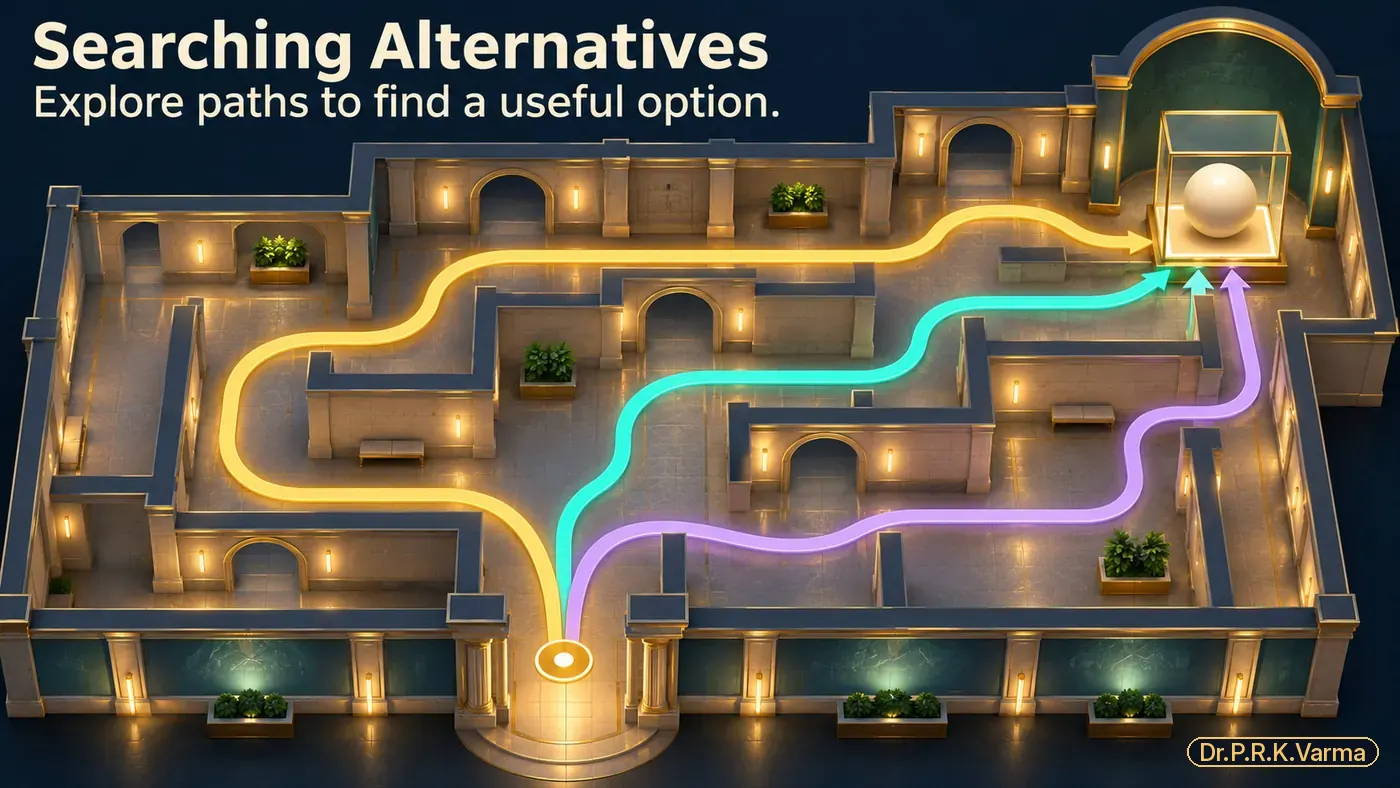
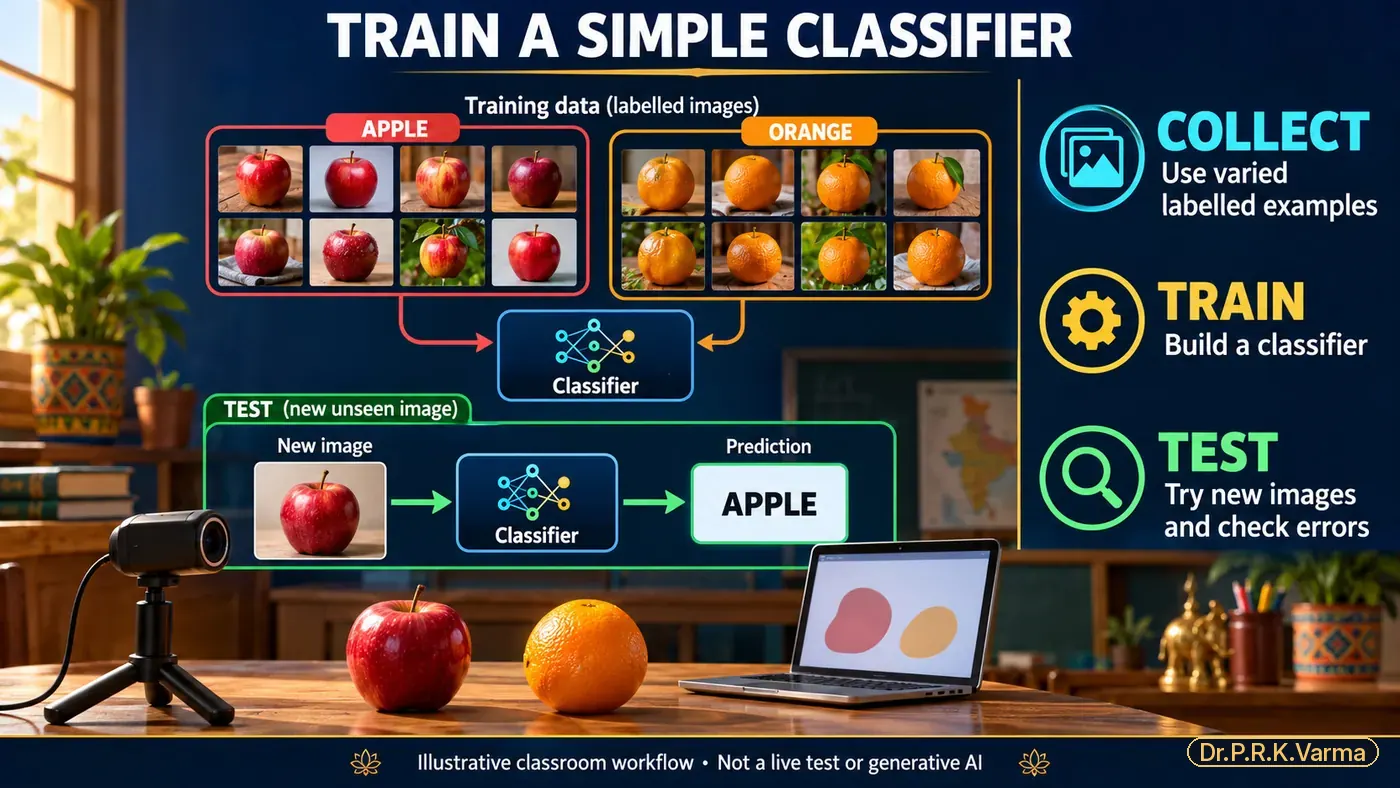
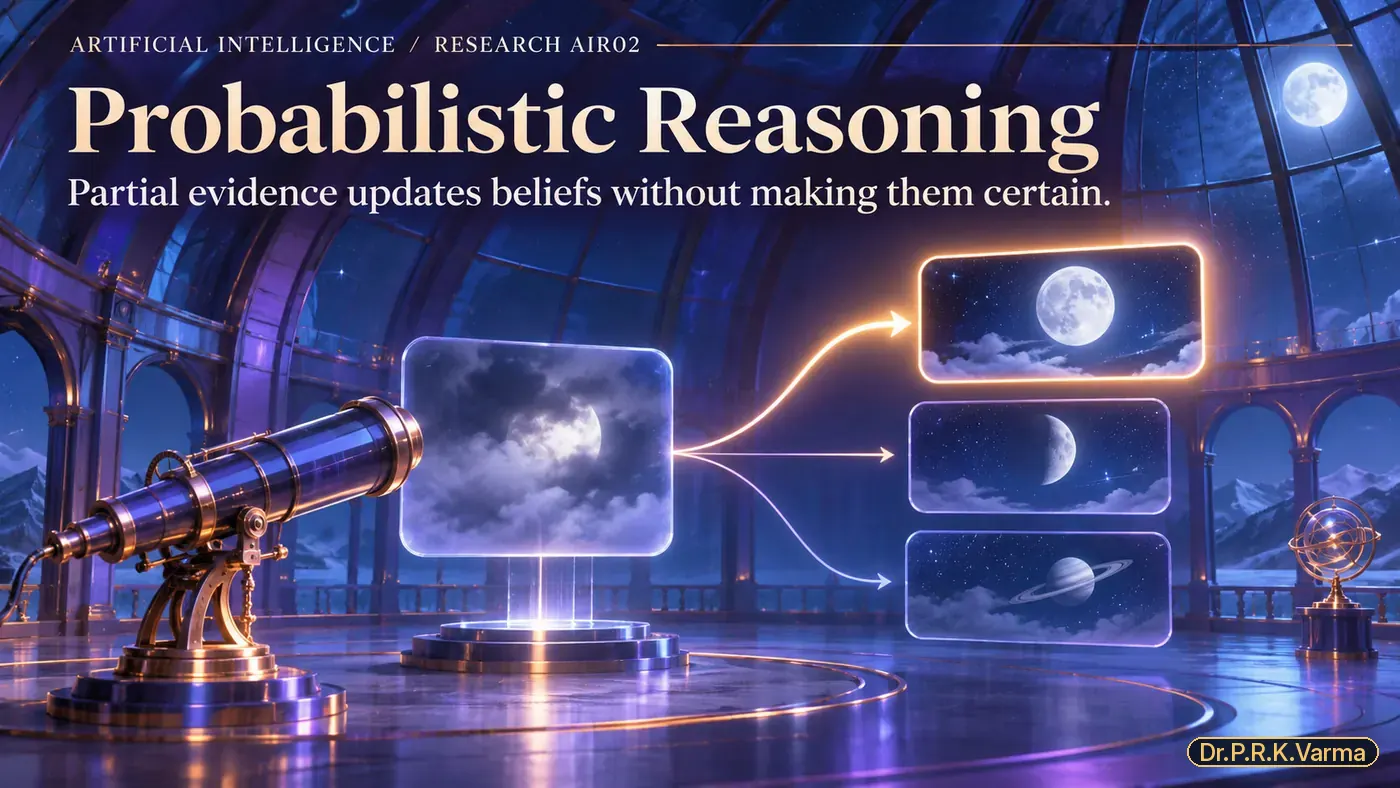
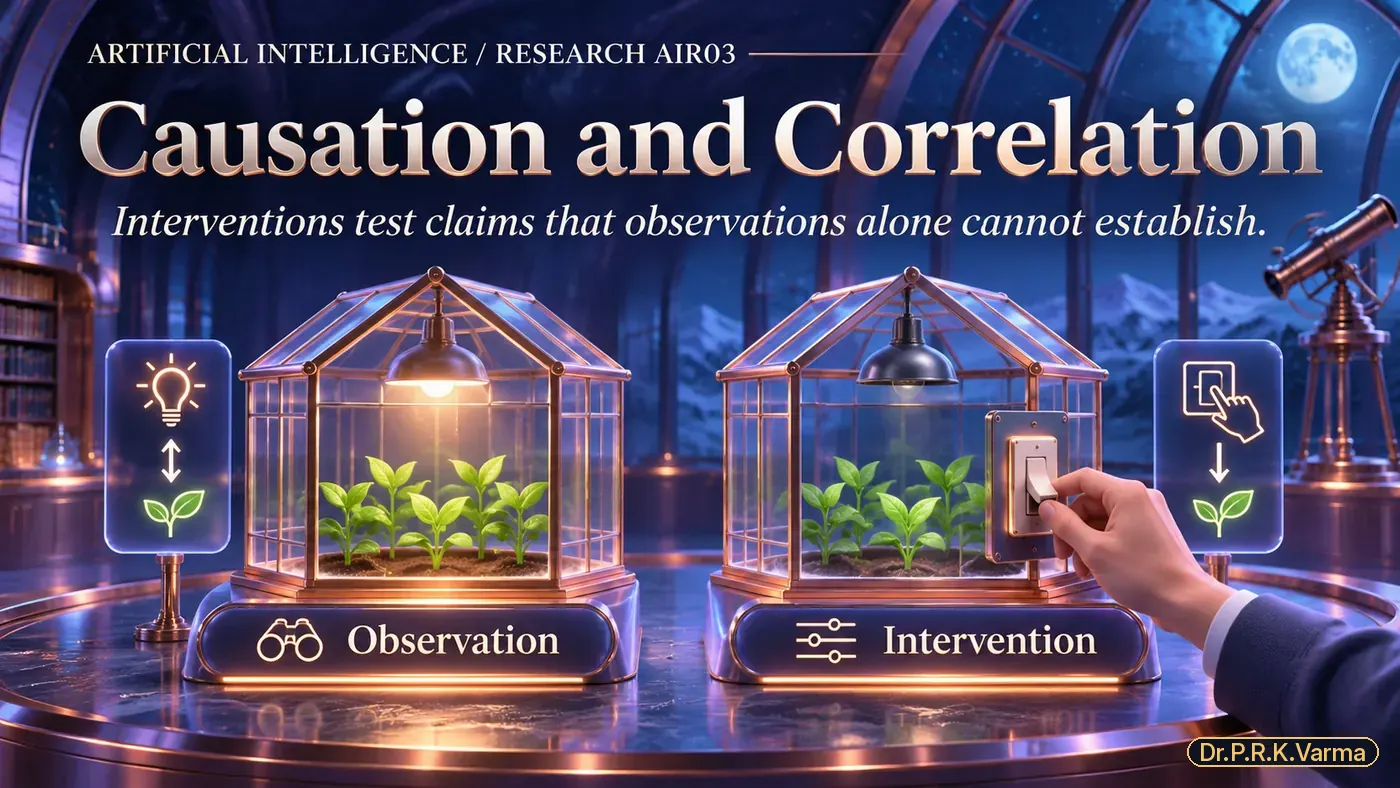
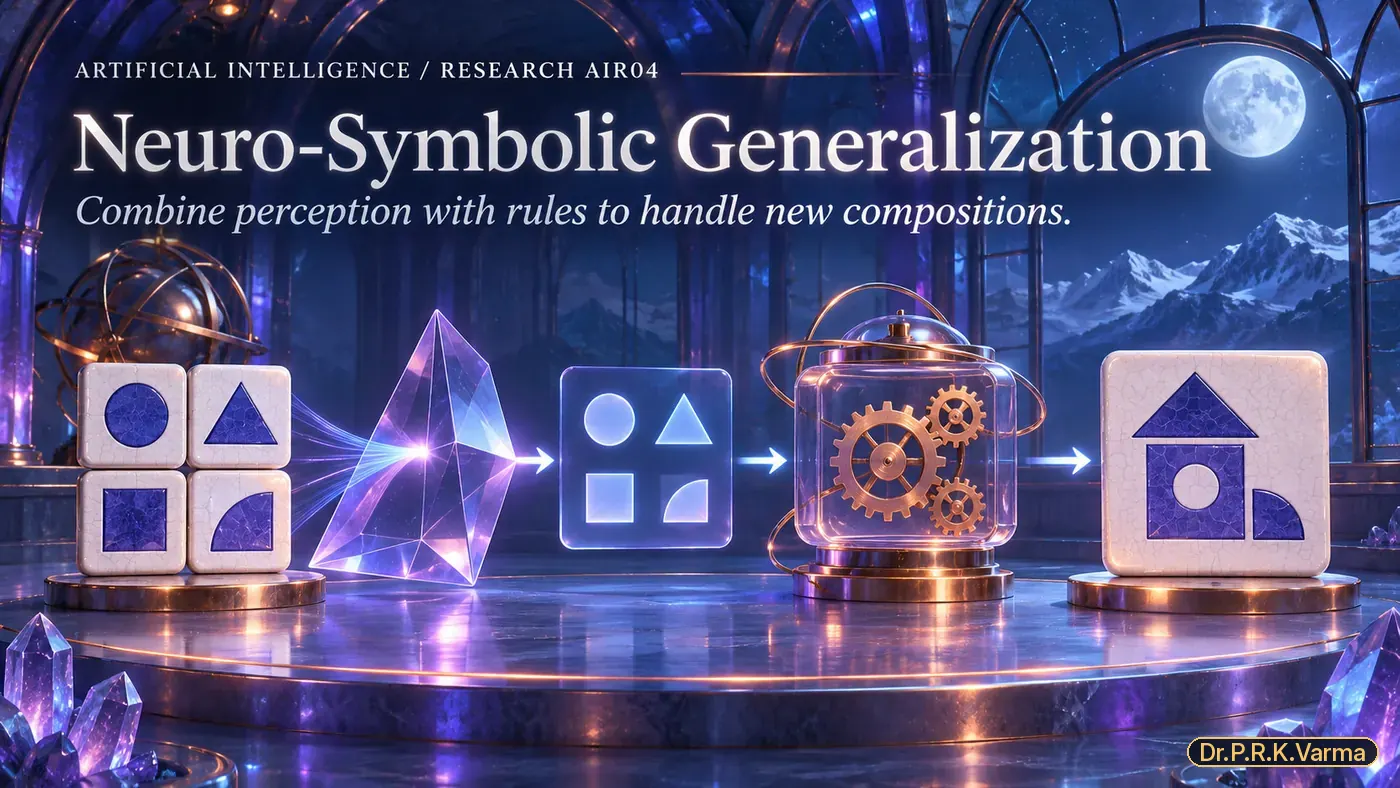
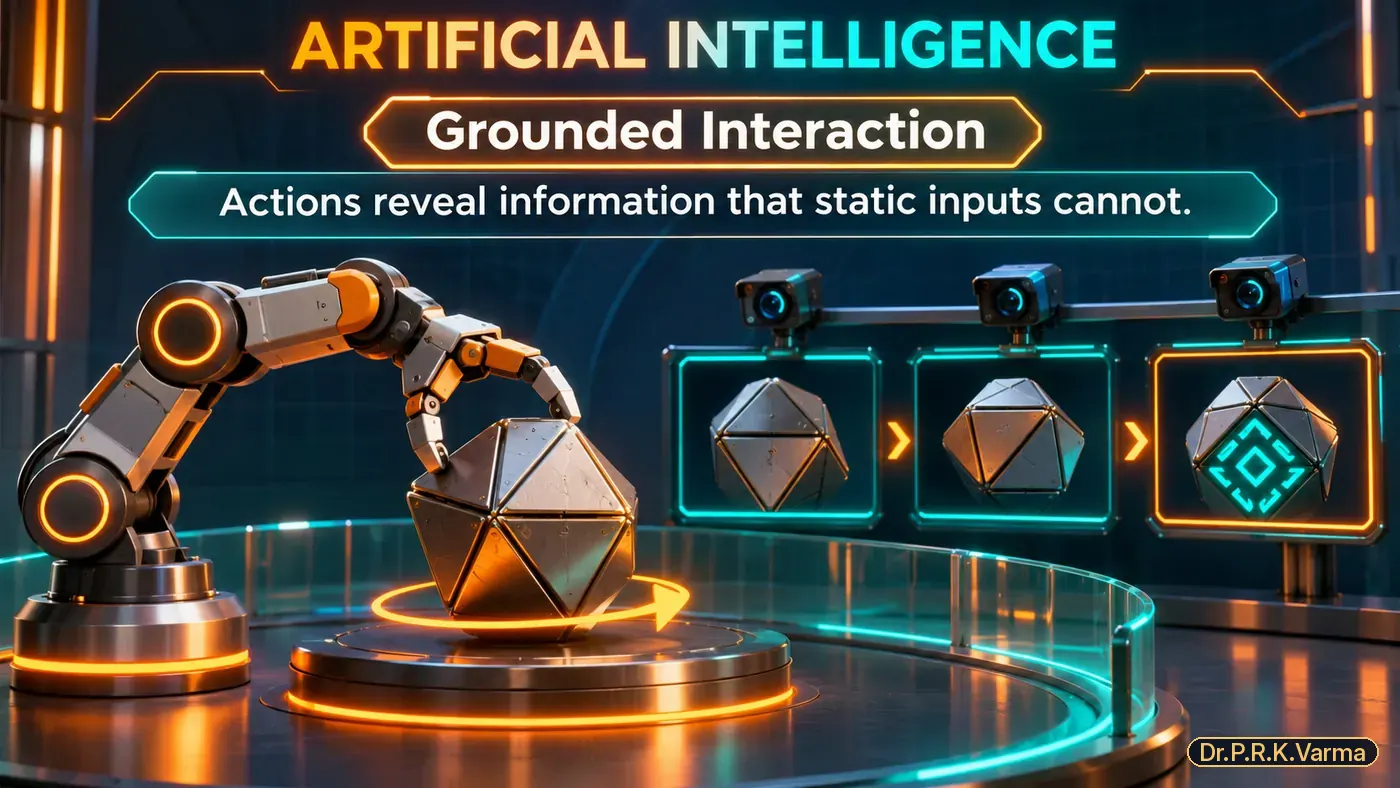
A 45-slide introduction to artificial intelligence, from everyday analogies to research ideas, in three parts: Basics, Advanced and Research.
Free to use: these slides and PDFs are in the public domain (CC0 1.0 ).
Basics 2–23 Advanced 24–34 Research 35–45 Download PowerPoint (8.7 MB) Download Presenter guide (PDF) (8.2 MB)
Free to use: these slides and PDFs are in the public domain (CC0 1.0 ).
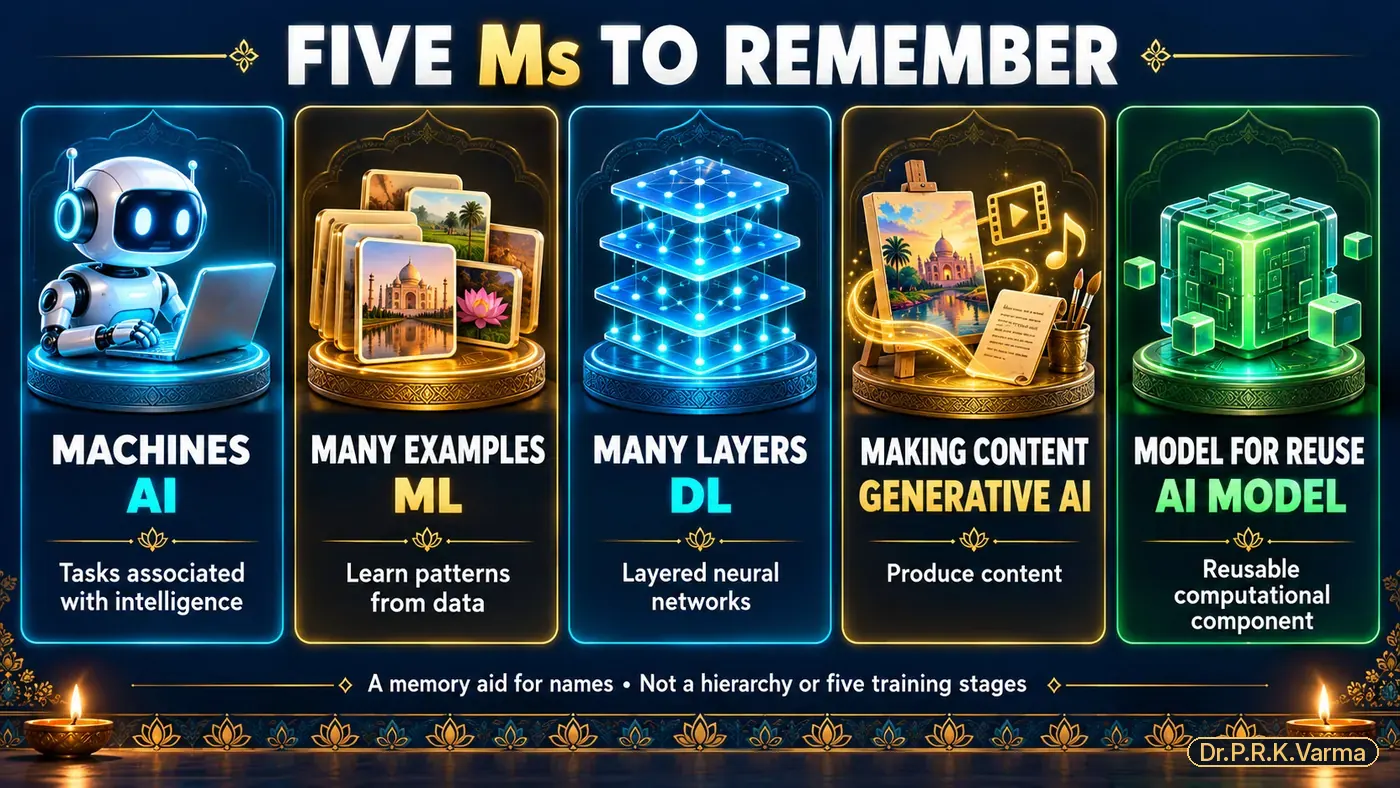
Coming next: (2) Level 1, Group 1 - Machine Learning, (3) Level 1, Group 1 - Deep Learning, (4) Level 1, Group 1 - Generative AI and (5) Level 1, Group 1 - AI Model.
Series map: 100 concepts in 20 groups AI for Beginners — 100 essential concepts explained through everyday examples. Titles already published link to their slides; the others will appear here as each deck is added.
Level 1: Foundations Group 1: Understanding the AI landscape Group 2: Data and model operation (6) Level 1, Group 2 - Dataset (7) Level 1, Group 2 - Features (8) Level 1, Group 2 - Labels (9) Level 1, Group 2 - Model Training (10) Level 1, Group 2 - Inference Group 3: How machines learn (11) Level 1, Group 3 - Supervised Learning (12) Level 1, Group 3 - Unsupervised Learning (13) Level 1, Group 3 - Self-Supervised Learning (14) Level 1, Group 3 - Reinforcement Learning (15) Level 1, Group 3 - Transfer Learning Group 4: Common learning tasks and methods (16) Level 1, Group 4 - Classification (17) Level 1, Group 4 - Regression (18) Level 1, Group 4 - Clustering (19) Level 1, Group 4 - Decision Tree (20) Level 1, Group 4 - Ensemble Learning Group 5: Learning beyond the examples (21) Level 1, Group 5 - Training, Validation and Test Sets (22) Level 1, Group 5 - Data Leakage (23) Level 1, Group 5 - Overfitting (24) Level 1, Group 5 - Underfitting (25) Level 1, Group 5 - Regularization Level 2: Neural networks and language Group 6: Building a neural network (26) Level 2, Group 6 - Artificial Neuron (27) Level 2, Group 6 - Neural Network (28) Level 2, Group 6 - Weights and Biases (29) Level 2, Group 6 - Activation Function (30) Level 2, Group 6 - Hidden Layer Group 7: Improving a network during training (31) Level 2, Group 7 - Loss Function (32) Level 2, Group 7 - Gradient Descent (33) Level 2, Group 7 - Backpropagation (34) Level 2, Group 7 - Learning Rate (35) Level 2, Group 7 - Epoch Group 8: Measuring model performance (36) Level 2, Group 8 - Accuracy (37) Level 2, Group 8 - Precision (38) Level 2, Group 8 - Recall (39) Level 2, Group 8 - F1 Score (40) Level 2, Group 8 - Confusion Matrix Group 9: Representing and generating language (41) Level 2, Group 9 - Natural Language Processing (42) Level 2, Group 9 - Tokenization (43) Level 2, Group 9 - Embeddings (44) Level 2, Group 9 - Language Model (45) Level 2, Group 9 - Large Language Model Group 10: Understanding transformers (46) Level 2, Group 10 - Attention Mechanism (47) Level 2, Group 10 - Self Attention (48) Level 2, Group 10 - Multi Head Attention (49) Level 2, Group 10 - Positional Encoding (50) Level 2, Group 10 - Transformer Architecture Level 3: Building generative AI applications Group 11: Giving models instructions and context (51) Level 3, Group 11 - Prompt (52) Level 3, Group 11 - System Prompt (53) Level 3, Group 11 - Prompt Engineering (54) Level 3, Group 11 - Context Window (55) Level 3, Group 11 - In Context Learning Group 12: Finding information for an answer (56) Level 3, Group 12 - Semantic Search (57) Level 3, Group 12 - Vector Database (58) Level 3, Group 12 - Document Chunking (59) Level 3, Group 12 - Reranking (60) Level 3, Group 12 - Retrieval Augmented Generation Group 13: Adapting pretrained models (61) Level 3, Group 13 - Foundation Model (62) Level 3, Group 13 - Pretraining (63) Level 3, Group 13 - Fine Tuning (64) Level 3, Group 13 - Low Rank Adaptation (65) Level 3, Group 13 - Reinforcement Learning from Human Feedback Group 14: Images and multiple forms of information (66) Level 3, Group 14 - Computer Vision (67) Level 3, Group 14 - Convolutional Neural Network (68) Level 3, Group 14 - Generative Adversarial Network (69) Level 3, Group 14 - Diffusion Model (70) Level 3, Group 14 - Multimodal AI Group 15: From responses to actions (71) Level 3, Group 15 - Tool Calling and Function Calling (72) Level 3, Group 15 - AI Agent (73) Level 3, Group 15 - Agent Planning (74) Level 3, Group 15 - Agent Memory (75) Level 3, Group 15 - Multi Agent System Group 16: Connecting and coordinating applications (76) Level 3, Group 16 - Application Programming Interface (77) Level 3, Group 16 - Workflow Orchestration (78) Level 3, Group 16 - Workflow State (79) Level 3, Group 16 - LangChain (80) Level 3, Group 16 - LangGraph Level 4: Efficiency responsibility and frontiers Group 17: Making AI more efficient (81) Level 4, Group 17 - Knowledge Distillation (82) Level 4, Group 17 - Quantization (83) Level 4, Group 17 - Model Pruning (84) Level 4, Group 17 - Mixture of Experts (85) Level 4, Group 17 - Edge AI Group 18: Reliability and human oversight (86) Level 4, Group 18 - AI Hallucination (87) Level 4, Group 18 - Explainable AI (88) Level 4, Group 18 - Algorithmic Bias (89) Level 4, Group 18 - AI Alignment (90) Level 4, Group 18 - Human in the Loop Group 19: Security and unintended behaviour (91) Level 4, Group 19 - Prompt Injection (92) Level 4, Group 19 - Jailbreaking (93) Level 4, Group 19 - Adversarial Attack (94) Level 4, Group 19 - Sandboxing (95) Level 4, Group 19 - Reward Hacking Group 20: Brain-inspired learning and research frontiers (96) Level 4, Group 20 - Hebbian Learning (97) Level 4, Group 20 - Spike Timing Dependent Plasticity (98) Level 4, Group 20 - Spiking Neural Network (99) Level 4, Group 20 - Neuromorphic Computing (100) Level 4, Group 20 - Recursive Self Improvement Slides by Dr.P.R.K.Varma. Curated by Dr.P.R.K.Varma
All PPT slides on AI